
6
Otello
Giuseppe Verdi: Otello
Opera in two parts, four acts, in Italian, with Hungarian and English surtitles

Giuseppe Verdi: Otello
Opera in two parts, four acts, in Italian, with Hungarian and English surtitles
Ön egy múltbeli eseményre keresett rá. Kérjük, válogasson aktuális kínálatunkból a Jegy.hu keresőjében!
Last event date: Saturday, April 01 2017 7:00PM
After retiring at age 58, Verdi would write no new operas for the next 15 years. It took a pivotal supper in Milan and the persistence of music publisher Giulio Ricordi to entice the Maestro to set about composing a new work, which he would only refer to as the “chocolate project”.
The Moor Otello is a soldier, a general and a loving husband who, despite all of his accomplishments, is not accepted by the people of Venice: he remains the eternal "black" foreigner. The vulnerability of the stranger seeking to fit into society is something that is easy for false friends to exploit – as is his jealousy.
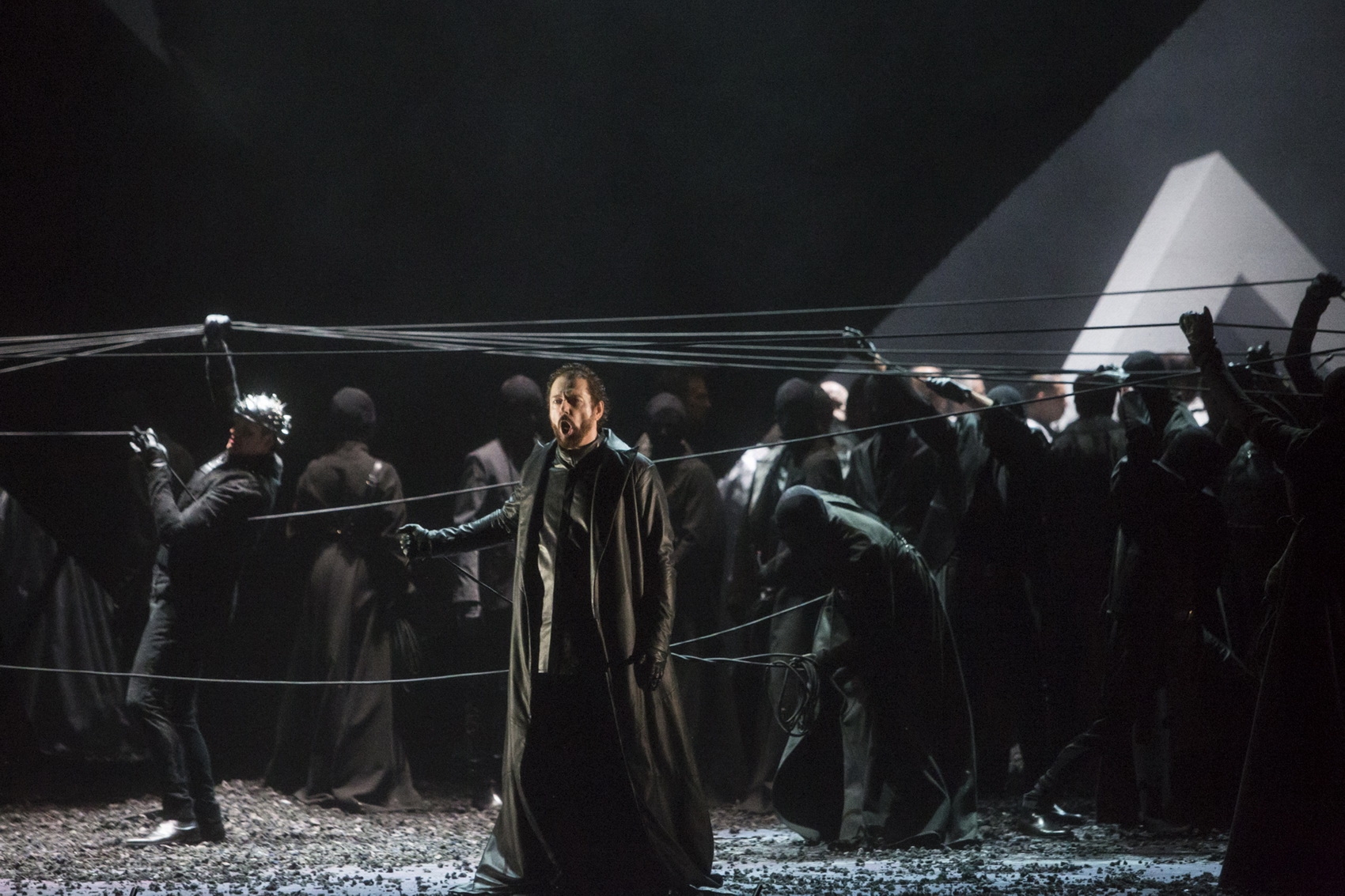
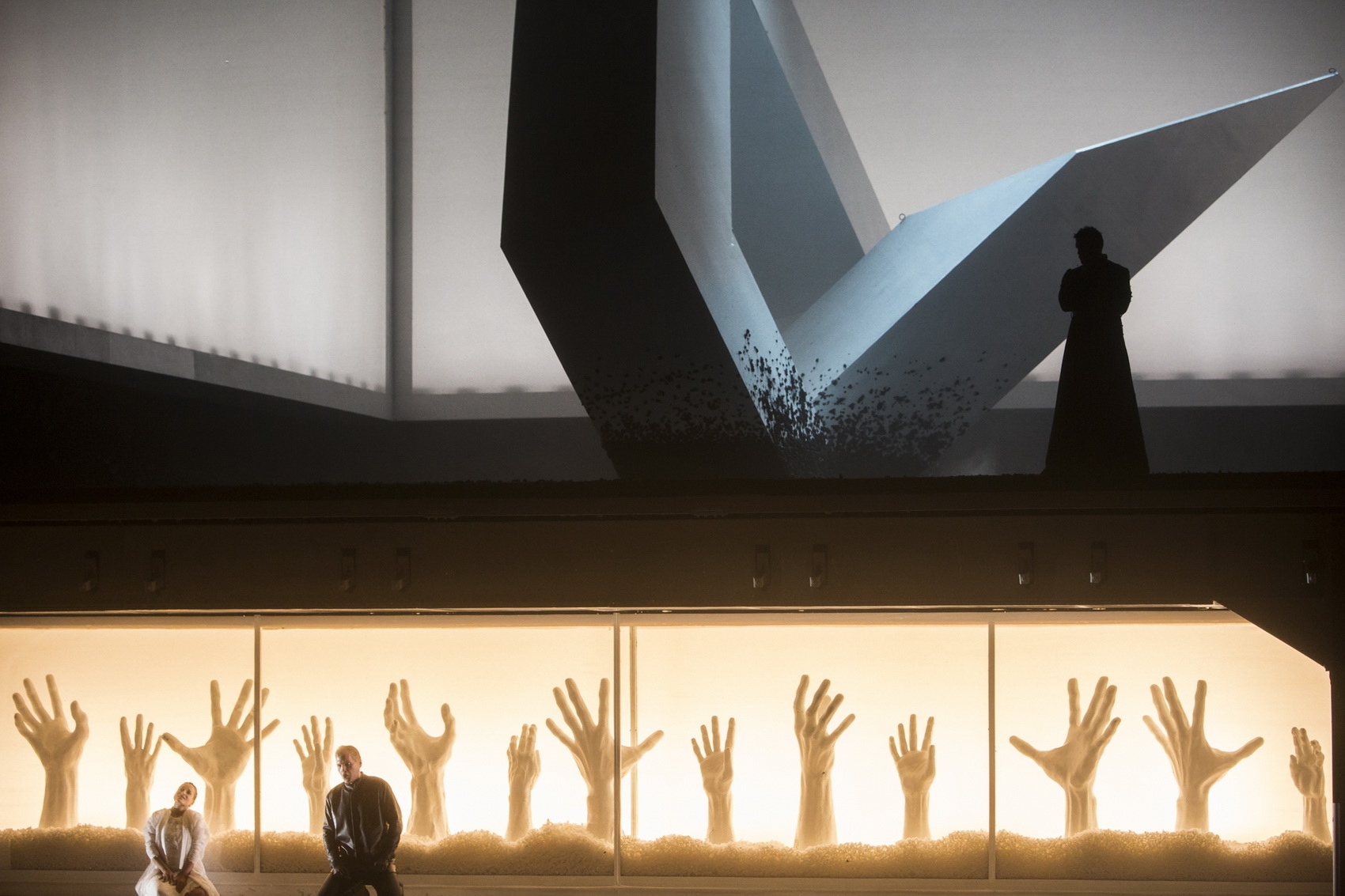
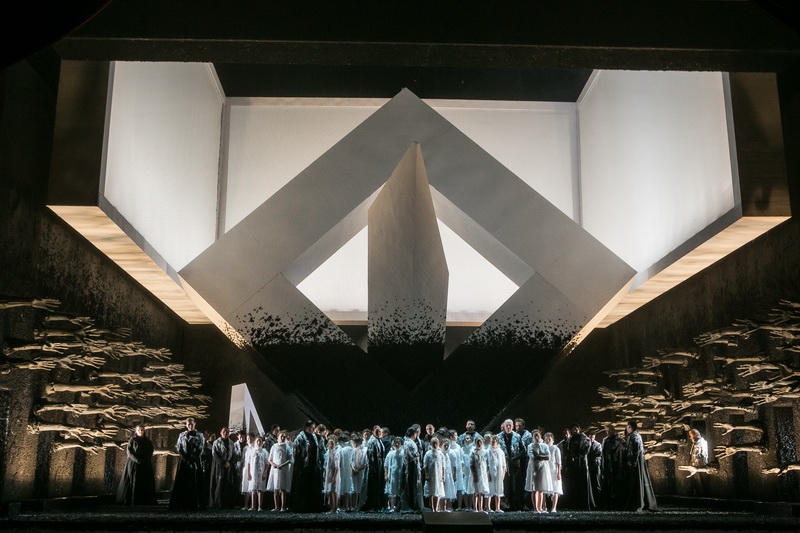
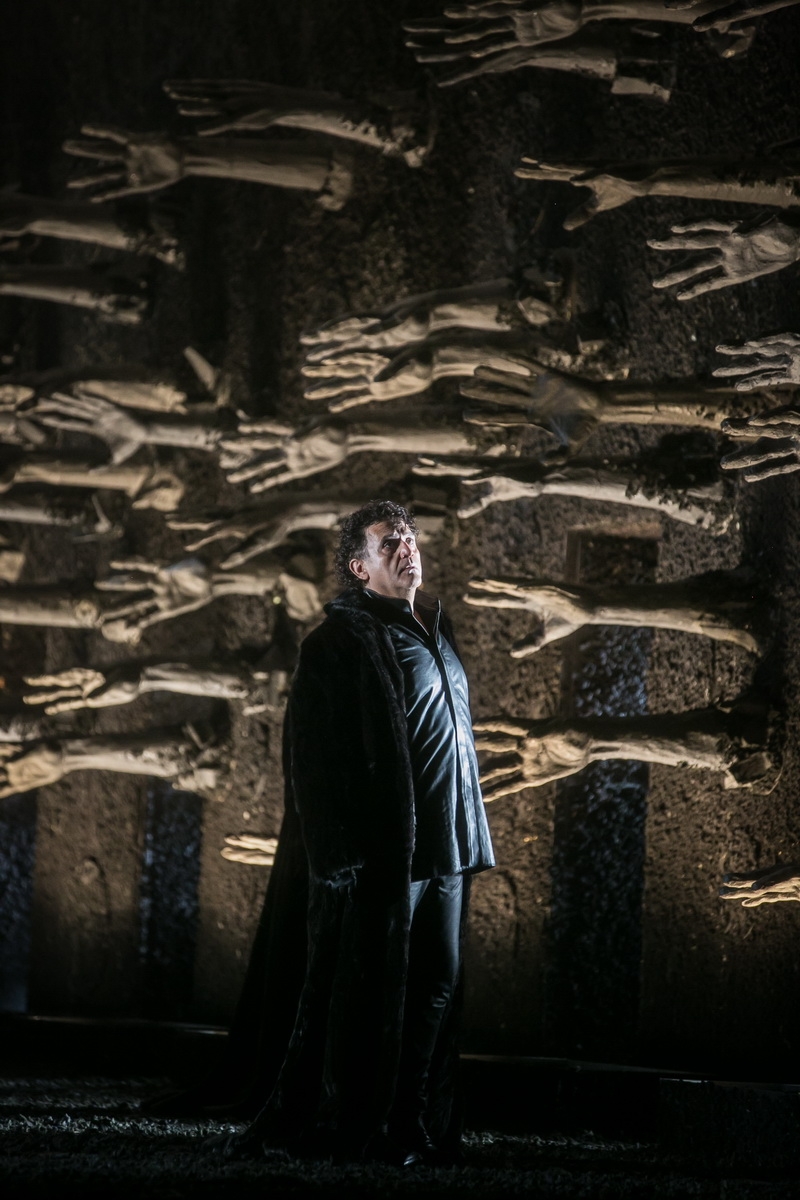
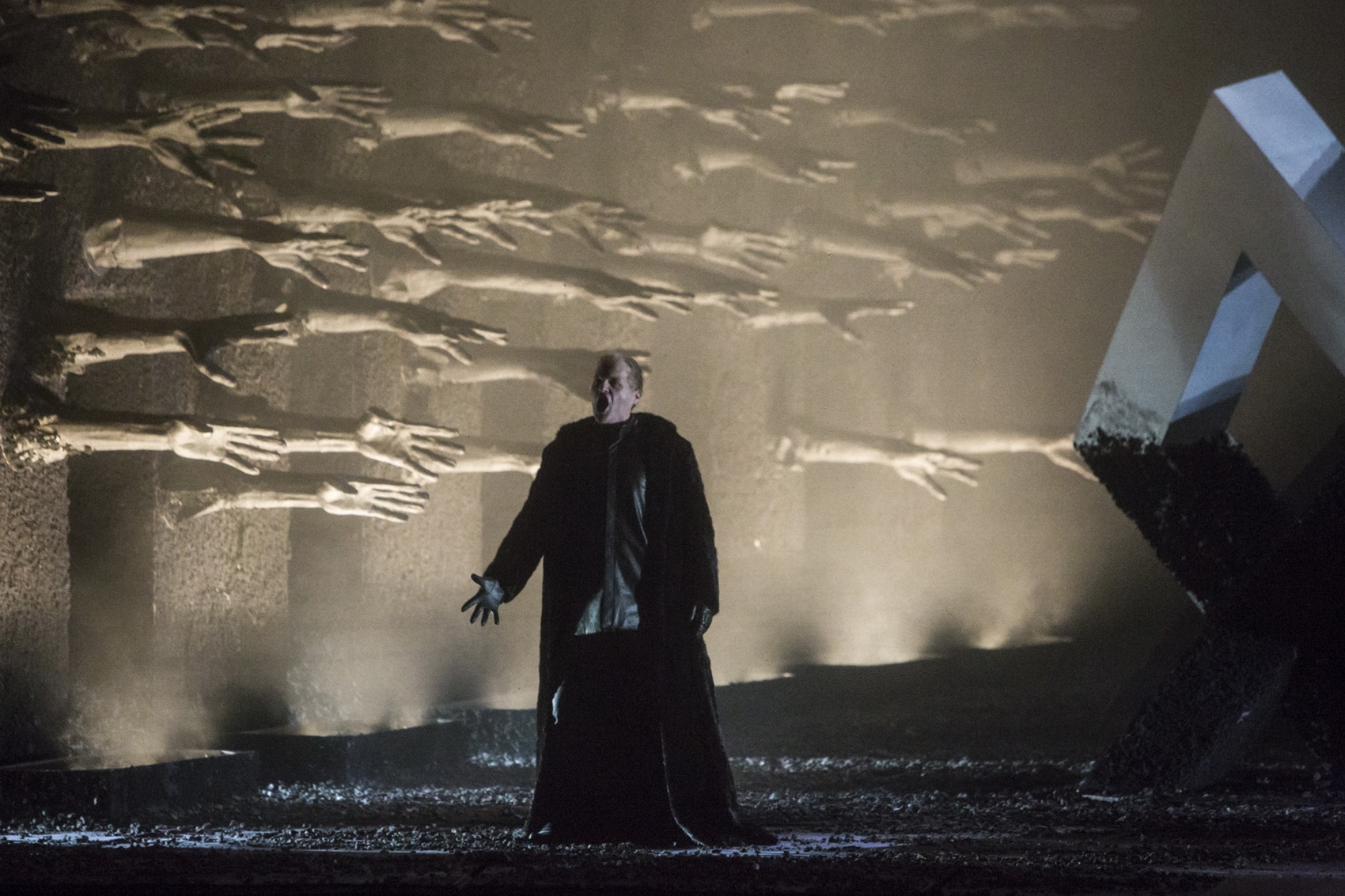
Otello is a masterpiece, an exceptional work of creative genius in which the composer sets Shakespeare's tragedy to the music of his own unmistakably Verdian voice. The Opera's new production is directed by the internationally renowned Italian artist, Stefano Poda.
Synopsis
Act I
A terrible gale rages around the Venetian-ruled island of Cyprus, whose people are awaiting their governor, the Moor Otello, in the port. The ship appears on the surging sea and safely reaches harbour, where the commander proudly gives word that they have won a victory over the Muslims who were attacking the island. The tempest subsides.
Roderigo, a Venetian nobleman, mopes as the crowd celebrates around him: he is hopelessly in love with the beautiful Desdemona, Otello's Venetian wife. Otello's ensign, Iago, offers some friendly assistance to the gloomily lovesick man, confessing that he secretly loathes the Moor for promoting Cassio to captain instead of himself; he is therefore prepared to help Roderigo win Desdemona, thereby having his revenge on Cassio and the Moor.
At the victory celebration, Iago offers a toast to the wedding of Otello and Desdemona, and later points out to Roderigo that Cassio is speaking much too fondly of the lady, then suggesting that the nobleman get the captain drunk and provoke him until he gets himself into trouble, in order to disrupt Otello and Desdemona's wedding night.
Montano, Otello's predecessor as governor of the island, arrives to summon Cassio to the watch, but is stunned to see the captain in a state of drunkenness. As a result of Iago and Roderigo's machinations, Montano and Cassio quickly draw their swords, until Otello enters the middle of the fray to restore order. Upon glimpsing the intoxicated Cassio and the injured Montano, he flies into a rage, and when Desdemona also appears in the great tumult, the Moor demotes his captain – to Iago's endless delight.
As the area quiets down, the newly-weds are finally left alone.
Act II
Cassio is overcome by shame. Iago suggests that he ask Otello's wife to intercede on his behalf with Otello. Cassio accepts the advice, and addresses Desdemona as she strolls in the garden with Emilia, Iago's wife.
Left by himself, Iago places his faith in a cruel God who created man for villainy.
Once again, fate plays into his hands: Otello arrives just as Cassio and Desdemona are speaking in the distance. Iago plants a kernel of jealousy in Otello's heart by suggesting that the Moor's wife harbours tender feelings towards Cassio.
Desdemona comes before her husband to intercede on behalf of the demoted Cassio. Otello's suspicion is awakened and he flies into a rage. Desdemona tries to cool her husband's aching forehead with the kerchief he gave her as a gift, but in his fury, Otello throws it to the ground.
Emilia picks up the kerchief, only to have Iago forcibly wrest it from her.
The ladies depart, and Otello casts the blame for his lost peace of mind on his ensign. He demands that Iago show him proof of Desdemona's faithlessness. Iago tells him how, earlier, he caught Cassio sighing lovingly to Desdemona in his dream, and what's more, he also saw him with the kerchief that Desdemona received from her husband as the first pledge of his love. Otello swears revenge.
Act III
Iago promises Otello more evidence and departs when Desdemona comes to greet her husband.
Otello irately questions his wife, who responds with puzzlement. When the Moor demands the kerchief from her, the lady again attempts to bring up the matter of Cassio with her husband, who in his rage calls Desdemona a harlot and sends her away from his sight.
After his wrath subsides, the shattered Otello takes stock of his fate: God has taken his last ray of happiness from him. He will not rest until he has obtained proof of his wife's faithlessness. Iago arrives in order to conceal Otello: this way the Moor will be able to hear the conversation between Iago and Cassio. Iago produces Desdemona's kerchief and cleverly asks Cassio questions about his lover, Bianca, in such a way that Otello will think he is speaking about Desdemona.
Trumpets herald the arrival of the Venetian envoys – prompting Cassio to hurry off. Otello decides that he will poison his wife that very night. Iago, however, suggests that he choke her with his bare hands instead – in bed, where she committed her sin; he himself will take care of Cassio... Otello is won over by Iago and names him as his captain.
The envoys file in in order to give Otello a letter from the Venetian Doge. Desdemona also takes part in the reception. When the envoy notices that the captain is missing from the company, the lady sadly tells him that Cassio is not in Otello's good graces, angering the Moor, who proceeds to read the letter: the Doge is recalling him to Venice and naming Cassio to be his replacement in Venice. Now completely overcome by rage, Otello humiliates his wife in front of everybody and shoves her to the ground. Iago quietly urges Otello to execute his plan that night; then persuades Roderigo to kill Cassio under the cover of darkness. The astonished assembly comforts Desdemona, but Otello expels everyone from the hall. The Moor, now left alone and overcome with emotion, collapses unconscious.
Act IV
In her bedroom, Desdemona, utterly shattered, is preparing for bed with the help of Emilia. She recollects a song that a lovelorn maidservant of her mother's would sing in her sorrow.
Desdemona bids farewell to Emilia; left by herself, she prays to the Virgin Mother, then goes to sleep.
Otello quietly enters the room; at the sight of his sleeping wife, he hesitates, but then awakens her with kisses, only to instruct her to prepare for death. Desdemona attempts to convince her husband of her innocence, but it's no use – Otello strangles her. Emilia bangs on the door to deliver the news that Cassio has killed Roderigo. With her last breath, Desdemona tells the shocked Emilia that she dies in innocence. The lady rouses the palace: Iago, Cassio, Montano and Lodovico dash into the room, and it suddenly becomes clear to the Moor what kind of intriguing he's fallen victim to. Iago flees from the Moor's wrath. Otello kisses his dead wife and stabs himself.

Akár gyerekek vagyunk, akár felnőttek a zenés színház elbűvöl, magbabonáz, fogva tart 😍 Néhányan ezeken a dalokon nőttünk fel, másokat felnőttként kápráztattak el, vagy épp újra felfedezők vagyunk. Összegyűjtöttük nektek őket, és már alig várjuk, hogy megmutassuk. Kicsit felemelkedünk, kicsit játszunk, kicsit együtt leszünk és szórakozunk!
Ez az írásműhely azoknak szól, akik szeretnék megtapasztalni a terápiás írás működését és hatásait, de nem szeretnének egyedül lenni ebben.
• Velünk van a baj, ha szeretünk horror filmeket nézni vagy el tudunk merülni egy rettegést keltő videójátékban? • Miért ragadja meg a fantáziánkat az ismeretlen és lehet-e valami rettenetes egyben szép és elgondolkodtató is? • Mi késztet minket egy Fűrész, Az emberi százlábú vagy Nosferatu típusú film megnézésére? • Miért ülünk le játszani egy Resident Evillel vagy épp egy Silent Hillel? A horror egy olyan abszurd kulturális jelenség, amely bár alapvetően a normalitás határait feszegeti és megbénítja a befogadót, mégis képes tömegeket magával ragadni. Az előadásban többek között a fenti kérdéseket vizsgáljuk meg, különféle filmes és játékos példákon keresztül.
A Dalszerelőműhely hatodik évadának kezdetén rárúgjuk az ajtót a poptörténelem múltjának hatalmas csarnokára. Egy ujjgyakorlatként kitalált gitár-riff, egy elveszettnek hitt,…
„Én valami igazat keresek…” Kurtág zeneszerzői gondolkodása Fazekas Gergely előadása
Az igazán meglepő dolgok olyankor születnek, amikor két látszólag külön világ találkozik. Mint amikor két idegen apránként megtalálja egymásban a…
item(s) in basket
total:
Time limit has expired. Please, put item(s) in to basket again.